



Quantifying global dimensions of resilience

Find out more about the different routes to entry and our eligibility criteria
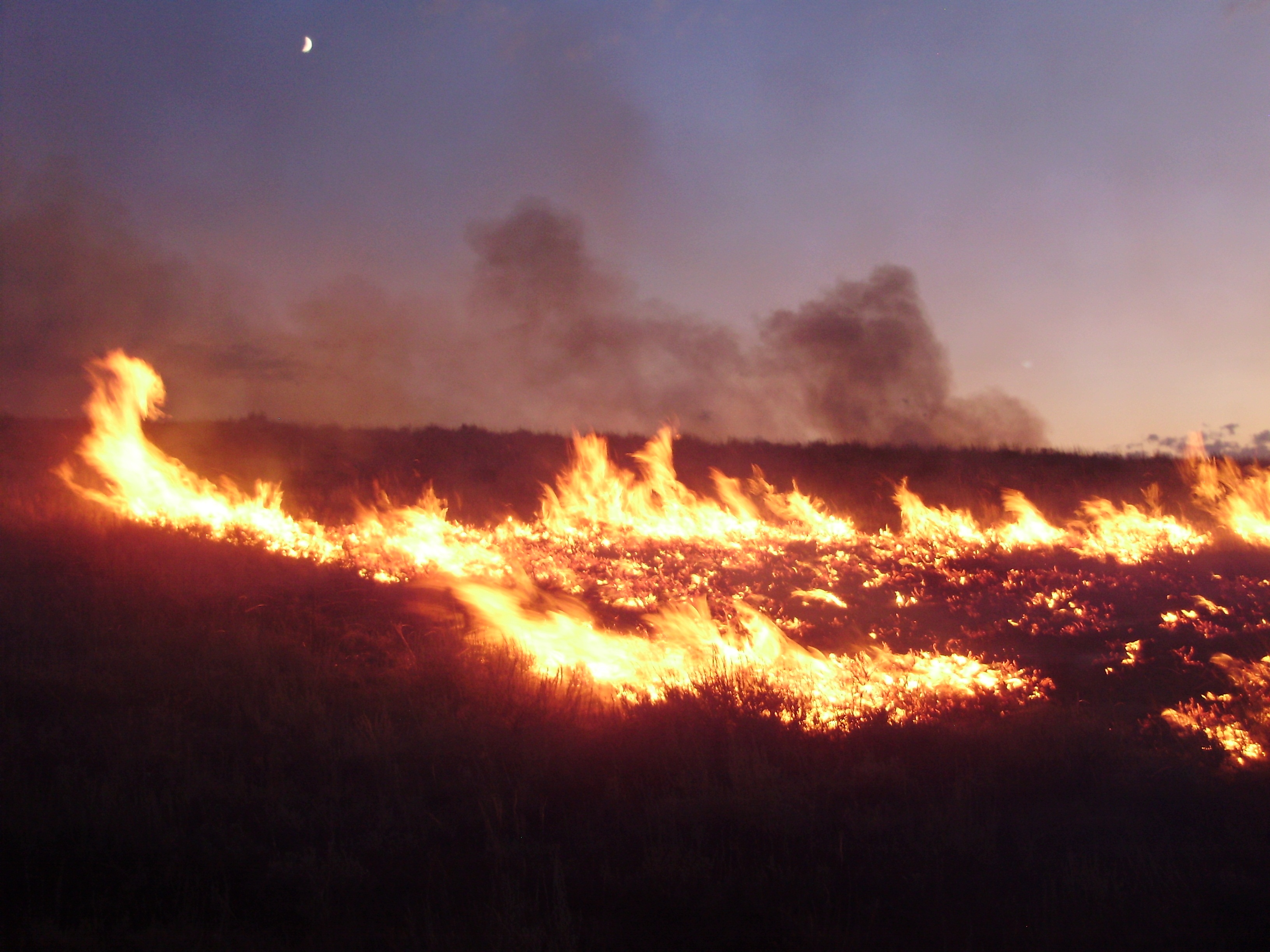
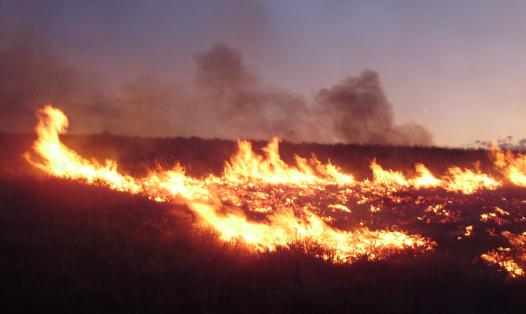
When the tall and leafy African invasive grass Andropogon gayanus (gamba grass) established itself in Australia, it lifted small grassland fires up into the tree canopy, changing harmless fires into a destructive hellscape of flame. African savannas are home to the world’s hottest and most frequent fires. They are dominated by fire-loving grasses in the Poaceae tribe Andropogoneae, the fast-growing wild relatives of maize and sugar cane which promote fires to burn outcompeting plants. Due to the difficulty in identifying these grasses and the lack of resources available to African scientists, the evolution of Andropogoneae and the origins of their fire driving traits are still not well understood.
The project will focus on the most notorious pyromaniac grasses and use a population genomics approach to understand their origins. To understand their geographical expansion, new molecular data will be generated in the lab, from herbarium and field-collected specimens from across the African continent. The project will benefit from substantive genetic resources available for related pyromaniac grasses, allowing deep bioinformatic exploration of their evolutionary histories, genome characteristics associated with ecological success and exploring evolutionary origins of fire-driving traits.
African pyromes are fire regimes shaped by a complex interplay of vegetation, climate and human impact. Modelling the spread of pyromaniac grasses will build an understanding of fire risk in the hotter world of the future.
The project will be split between the University of Portsmouth and RBG Kew, with considerable flexibility in the student’s location of work and with opportunities for fieldwork.
Laboratory training and supervision, as well as bioinformatic support will be provided by the primary supervisor. Training in grass identification, an introduction to African in-country partners, and to the savanna ecology research community will be provided by the second supervisor.
Genomic skills open up a range of career paths in academia and industry: bioinformatician, biotechnology expert, consultant, data scientist.
Plant identification skills are much sought out in ecological consulting and a foundational skill for academic positions in e.g. plant taxonomy, ecology, biodiversity science, evolutionary biology.
Work with collaborative institutions in Africa and the relevance of this study system to climate change are also compatible with careers in policy e.g. environmental risk management/ climate / biodiversity/ land-management advisor.
This project is amenable to flexible working, in terms of hours and primary location of work.
The full project can be carried out in the UK at the two institutions. Regarding accessibility, this project will take place in laboratories and offices at the University of Portsmouth, which is equipped to accommodate students with disabilities (eg. around mobility, eyesight) and where members of staff have received training and experience in accommodating neurodiverse students. Workplaces (herbarium and laboratories) at Royal Botanic Gardens, Kew are also accessible. The anticipated split of the work would be ~25% at the University of Portsmouth and ~75% at RBG Kew. Reasonable adjustments that are possible are: reversing the split proposed above due to living costs being lower in Portsmouth OR conducting 100% of the work at RBG Kew if the student is unable to travel. Fieldwork is possible but is not essential. This would take place in African savannas with partner institutions. If unable to travel, the student would have the opportunity to closely engage online with researchers who are carrying out fieldwork in Africa in relevant sites and equally meet the objectives of the PhD.